When people talk about freight security, the first thing that comes to mind is a GPS tracker. It’s useful, but it isn’t enough. Real protection for goods in transit is built in layers: how the trailer is sealed, how the equipment is inspected, which route is followed and, above all, how quickly a problem is communicated.
Layer 1: the right seal, properly recorded
The seal is the proof that the trailer wasn’t opened between origin and destination. For international freight, the reference is the ISO 17712 standard, which classifies mechanical seals by strength. “H” (high security) seals, such as bolt seals, are the ones commonly used on cross-border shipments.
A good seal poorly recorded doesn’t help much. Good practice includes:
- Writing the seal number on the shipping documents when it’s applied.
- Storing seals in a controlled place and logging who uses them.
- Checking the seal with the VVTT method: view the seal and locking mechanism, verify the number, tug on the seal and twist it to make sure it’s properly engaged.
- Checking the seal again at the border and at destination.
Layer 2: equipment inspection before loading
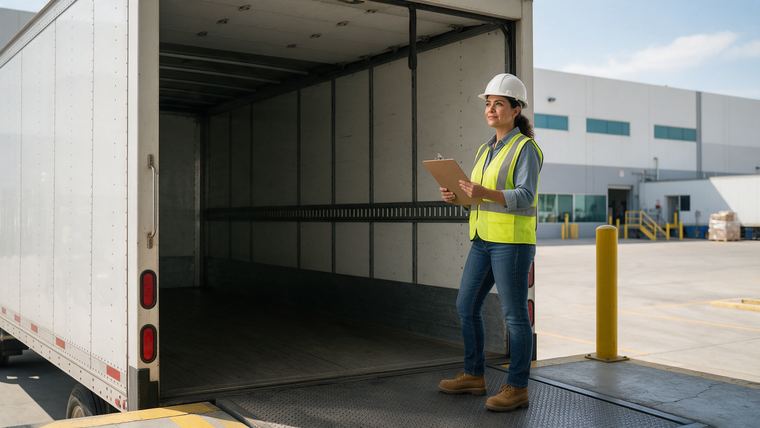
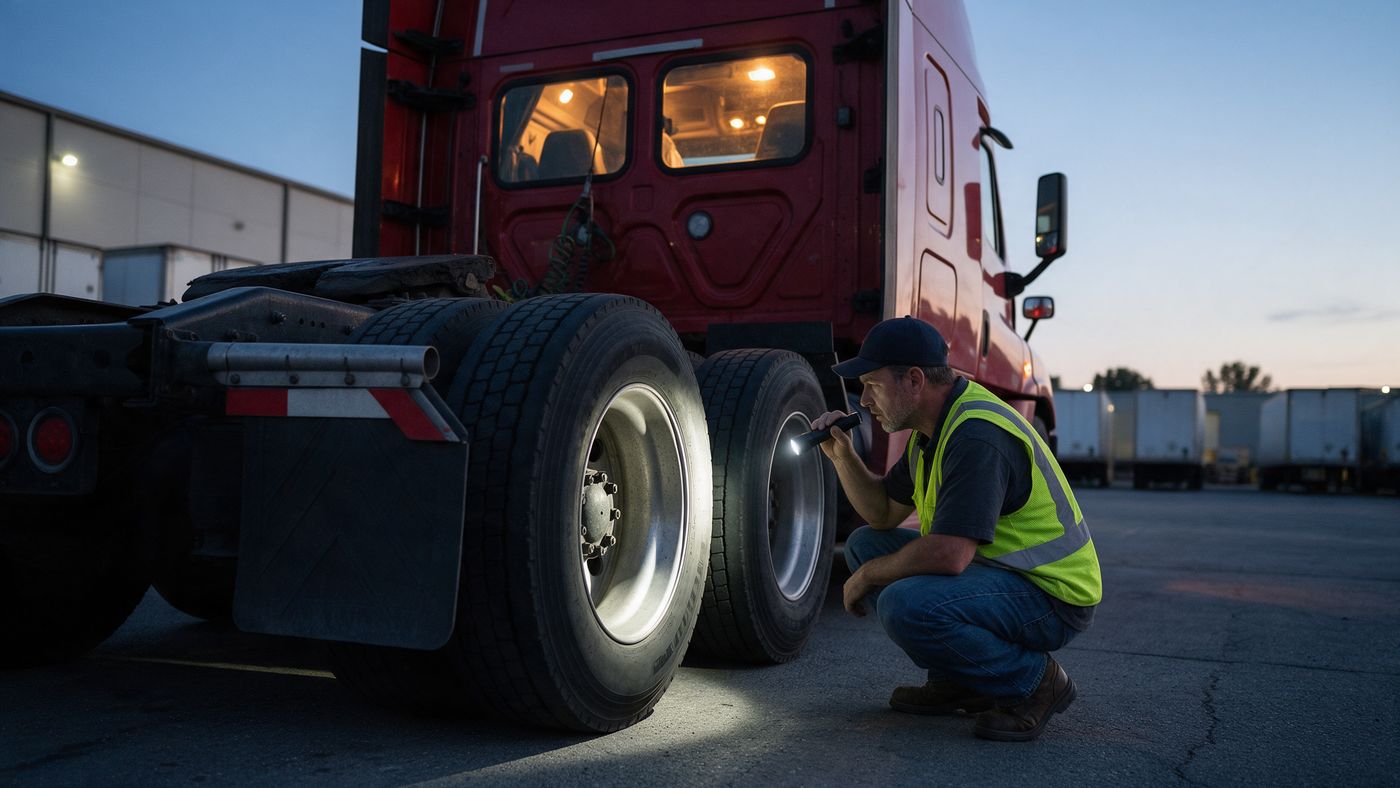
A trailer with altered compartments, a damaged floor or a door that doesn’t close properly puts freight at risk before it leaves. For highway carriers, CBP’s CTPAT program uses a 17-point inspection of tractor and trailer as its reference, including among others:
- Bumpers, tires and rims.
- Doors, tool compartments and locking mechanisms.
- Fuel and air tanks.
- Cab and sleeper interior.
- Trailer walls, floor, ceiling and doors.
- Undercarriage and fifth wheel area.
The inspection is documented and repeated whenever the truck is left unattended.
Useful fact: a thorough inspection also reduces delays. Many trucks held at safety inspections are stopped for mechanical issues a pre-trip check would have caught.
Layer 3: planned routes and stops
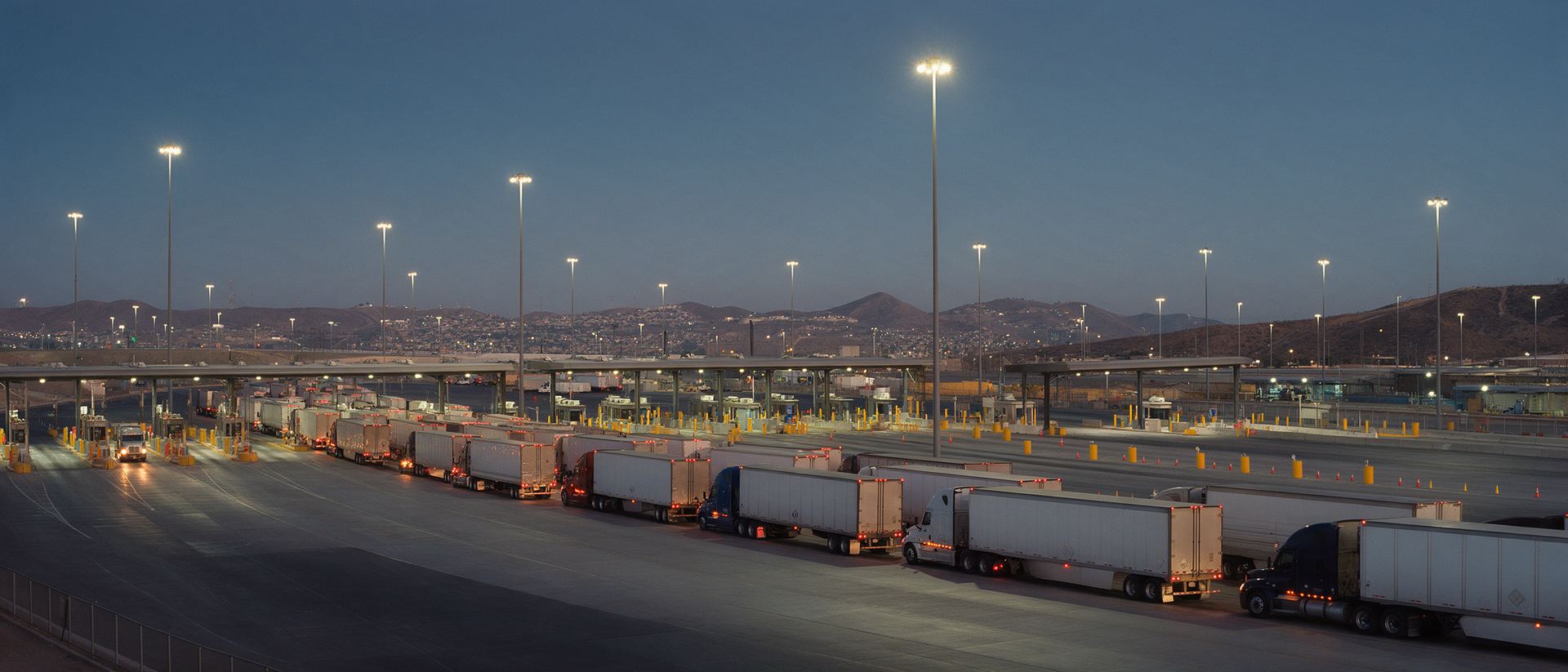
Much of the risk concentrates in unplanned stops and idle time. Planning the route, authorized stops and departure times around the crossing appointment reduces how long freight sits exposed. On short hauls like Tijuana–San Diego the rule is simple: leave with the paperwork ready so the truck doesn’t wait parked.
Layer 4: tracking and geofences
Satellite tracking shows where the truck is and flags route deviations or unplanned stops. Its value depends on someone watching and knowing what to do when an alert appears. A tracker without a response protocol is just a dot on a map.
Layer 5: communication between dispatch, driver and customer
This is the layer that ties the others together. When the driver can report an unusual condition immediately and dispatch can alert the customer and make decisions within minutes, most incidents are contained before they become losses. At ADR Transport it’s the foundation of how we operate: dispatch, driver and customer stay connected.
What you can do as a shipper
- Keep your loading area access-controlled and supervised.
- Record the seal number and share it with your receiver before the truck arrives.
- Avoid describing high-value goods on documents that don’t need that detail.
- Ask your carrier to explain its incident response protocol.
- Verify the seal at receipt and report any discrepancy immediately.
Cargo security is a shared job. To see how we protect your freight, explore our cargo security service.